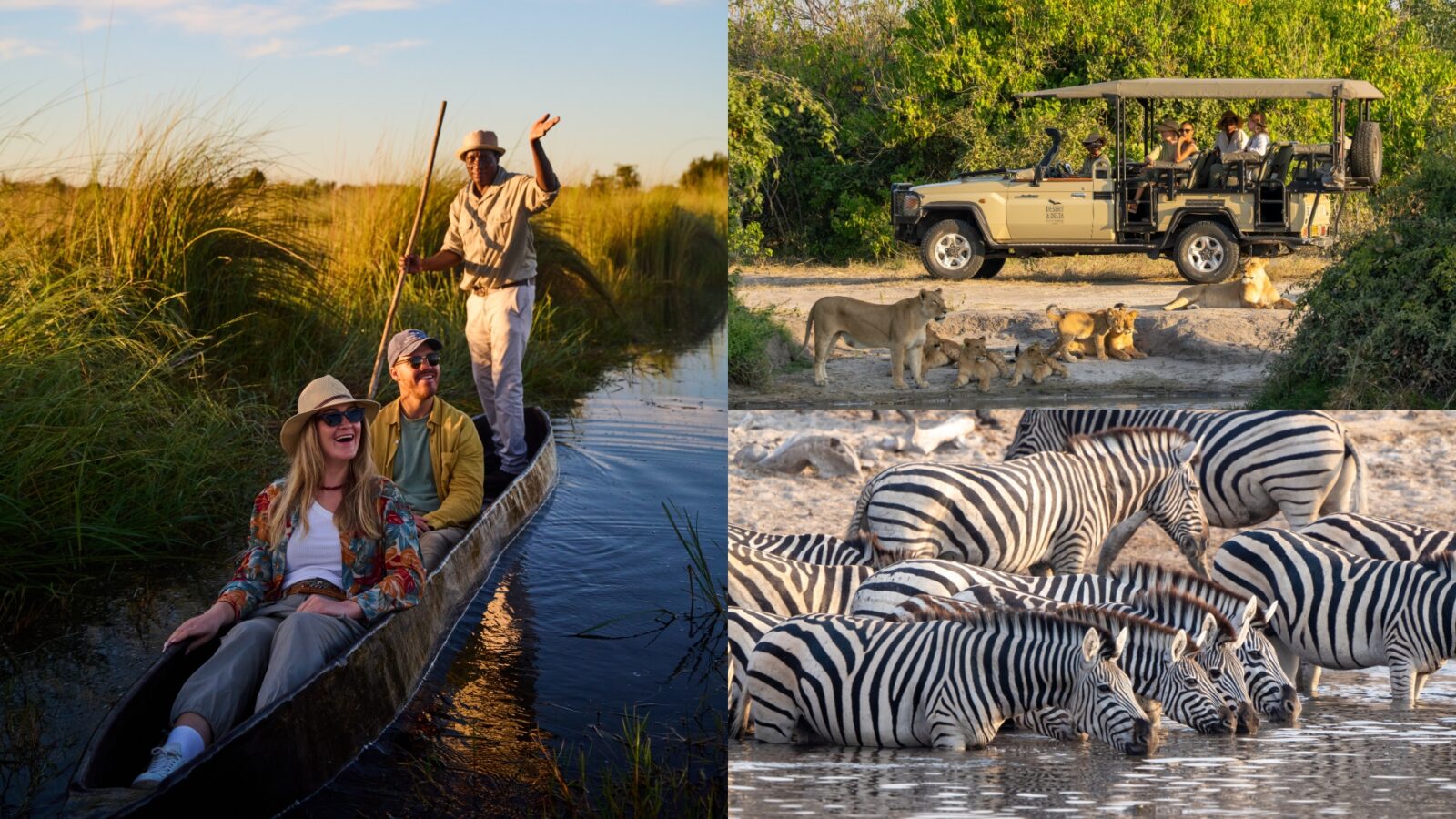
Desert & Delta in Full Expression
Botswana’s Dynamic Seasonal Waterways
This year, Botswana has experienced above-average rainfall both locally and across the Angolan Highlands catchment. As a result, we predict a stronger-than-usual annual rise in water. Already, the shifts on the ground are remarkable, with high localised rainfall beginning to echo the early stages of one of the planet’s most extraordinary ecological phenomena: Botswana’s dynamic seasonal waterways.
What this means for the regions we call home, game viewing, and for you, our guests? Botswana’s water becomes part of the story in and of itself: the swell of rivers, the pulse of life across plains and wetlands, the dynamic interactions of species, the desert and the delta in full expression.
A high water year like 2026 is not a disruption, but an ecological renewal driven by one of Africa’s most vital natural processes.
This is a time of ecological abundance and intensity, renewal, expansion, and connectivity. A rare opportunity to witness the country wide awake, and to engage with the wild as it is meant to be seen: alive. Here, we offer insight into Botswana’s greatest miracles in motion, from The Desert to The Delta.
Ancient Interplay
Central to understanding Botswana’s seasons is recognising the difference between rainfall and the seasonal rise in water—often referred to as the country’s annual flood. These two natural events reflect an ancient interplay and natural paradox that shapes land, water, history, culture, desert and delta.
Floodwater returns to Botswana each year, regardless of how much rain falls locally. This is because the annual rise in water across the Okavango Delta depends heavily on rainfall in the distant Angolan Highlands. From Angola, these waters begin a slow southward journey, moving like a liquid migration before becoming the Okavango River and eventually spreading across the Delta. By the time this water arrives, Botswana’s own rains have already passed.
This remarkable inverse sequence—rain first, flood later—defines one of the world’s most dynamic and ecologically rich safari destinations: Botswana. And, when these two forces align, the result is a powerful, living water system that reshapes the landscape and forms the great inland river that never reaches the sea. In 2026, high rainfall in Angola and in Botswana explains the extraordinary shifts we are witnessing now—a miracle and a marvel of the highest natural order.
We have operated in Botswana for nearly half a century, and while this has contributed to our deep understanding and appreciation for these natural cycles, no two years are ever completely alike, largely due to these various environmental factors. Botswana’s dynamic waterways are complex, vital and often misunderstood, especially during out-of-the-ordinary years like this one. Rather than limiting a safari:
A year such as this offers remarkable diversity, strong ecological processes, and impressively dynamic wildlife behaviour. It is not about seeing less. It is about seeing more of Botswana at its most alive.
The Desert
The Land, The Life & The Experience
Botswana’s desert systems are shaped primarily by rainfall, but some years, exceptional localised rainfall transforms the landscape in ways that are incredibly special to witness. 2026 offers more layers of experience for travellers: not just abundance, but visible change and a sense of landscapes in motion.
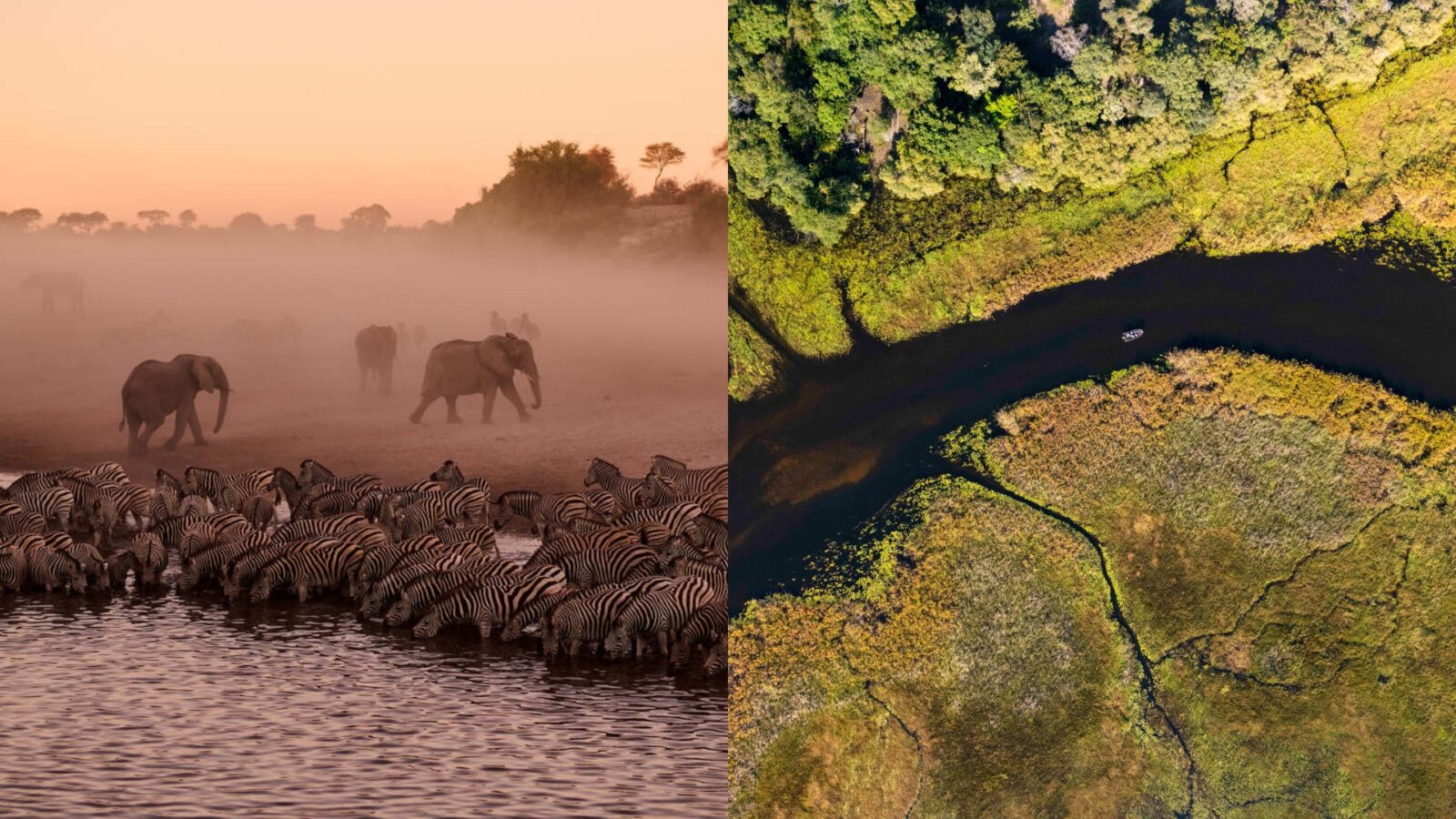
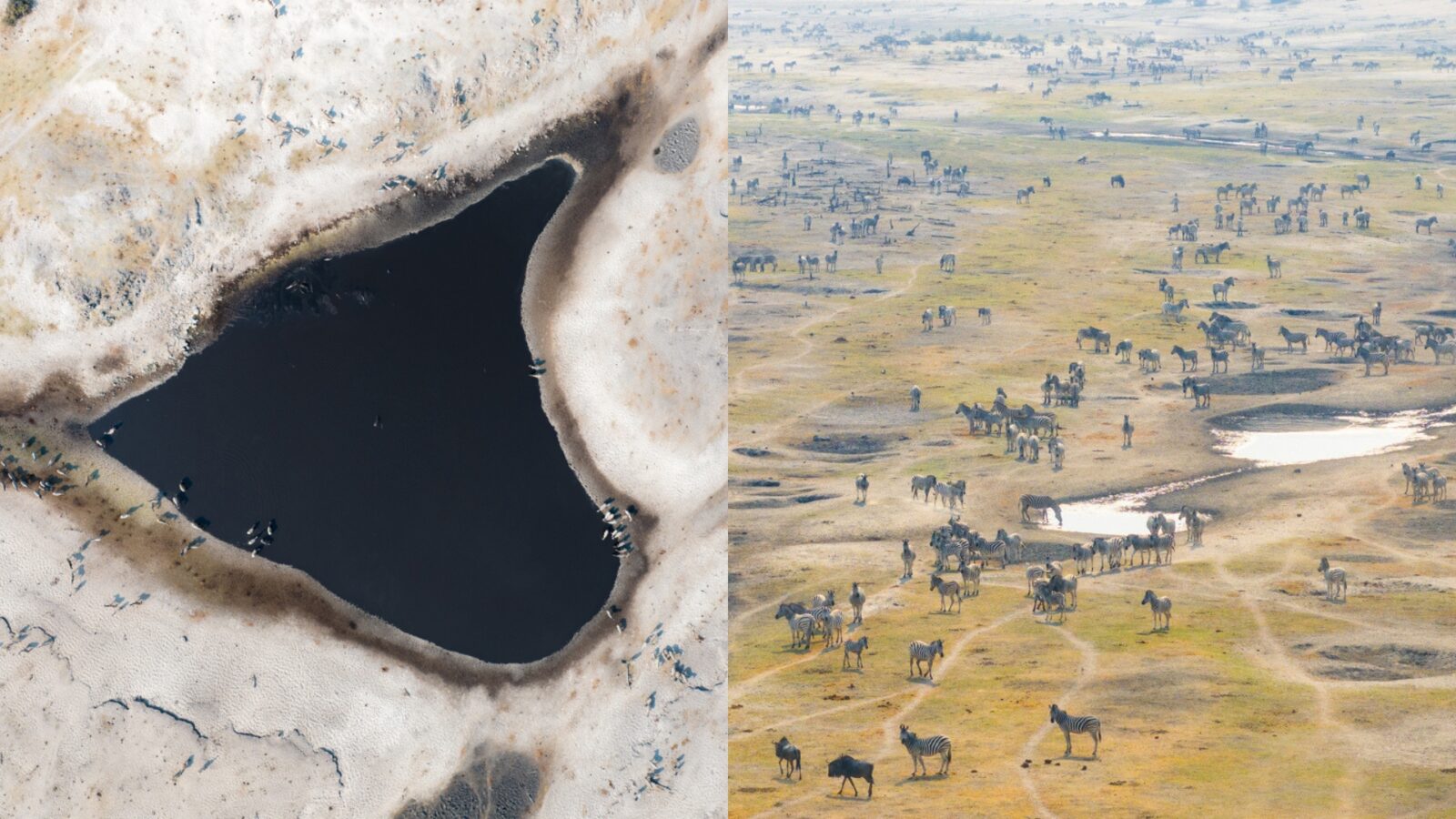
Above-average localised rainfall has already driven widespread greening across the Kalahari and Makgadikgadi regions. At the same time, strong predicted inflows from the Okavango Delta increase the likelihood of water pushing further into systems not always reached, such as the Boteti River Valley. Currently, the ancient riverbed in front of Leroo La Tau has flowing water for the first time since 2020/21. The impact on Africa’s second-largest zebra migration will unfold in real time from around April, when zebras typically start arriving and build up in their thousands thereafter.
View this post on Instagram
In areas like Savuti, elevated regional water levels support expanded marsh conditions, even where channel flow remains unpredictable. We experienced this impact from early in the year with one of the greenest January’s yet—and wildlife responded.
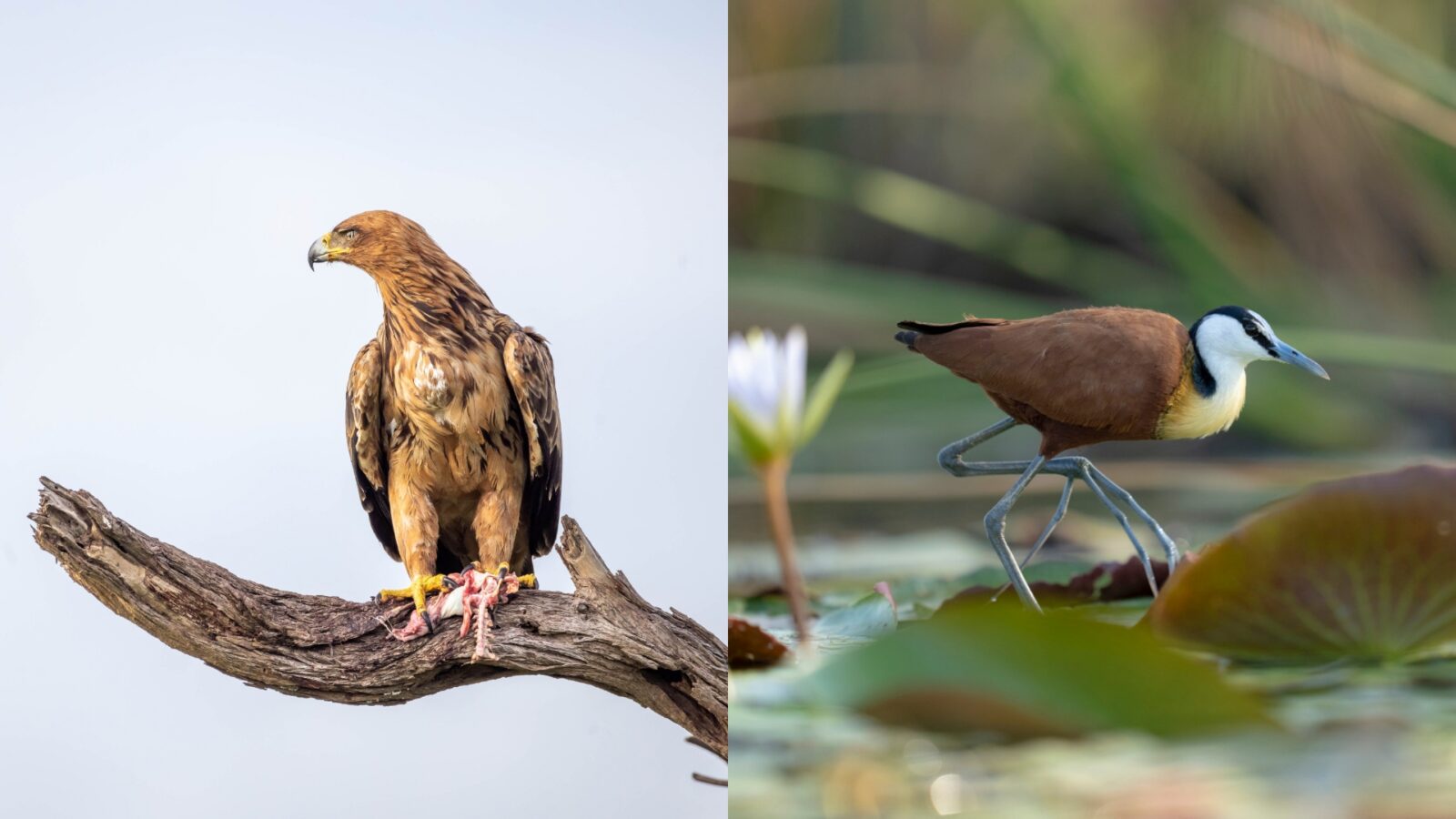
Specialist guide Isaac Mpuchane describes this period as a true “season of opportunity.” From Northern pride lion encounters that continue to live up to Savute’s enduring sense of mystery, to raptors adapting their hunting habits and adding bullfrogs to their usual land-based prey, the entire ecosystem is shifting and adapting in response—not by moving away from the water, but by diving right into its abundance.
View this post on Instagram
This year, water has transformed Botswana’s desert ecosystems in ways that are both immediate and potentially long-lasting. Seasonal rivers are recharging underground reserves, ephemeral pans are holding water for longer, and grasses are establishing deeper root systems that will sustain wildlife well into the dry season. When rainfall subsides and animals reconcentrate along remaining water sources, it will likely be in higher densities across Botswana’s desert ecosystems. This leads to strong herbivore condition, increased movement patterns, and stable—often intensified—predator activity.
The Delta
The Land, The Life & The Experience
With Botswana’s ancient interplay between local rainfall and floodwaters from Angola unfolding with rare abundance, 2026 is shaping up to be a year of early arrival, wider reach, and deeper, more interconnected waterways. The annual rise in water is not only expected to come sooner, but to travel further across the system, creating a landscape defined by movement, renewal, and remarkable accessibility. This expansion is already visible, reshaping habitats in real time.
View this post on Instagram
In the Panhandle, sustained high levels are supporting strong channel flow; in Moremi and Khwai, floodplains are widening rapidly; and along the Chobe River, elevated water levels are being reinforced by both upstream inflow and downstream pressure from the Zambezi (what has made the Chobe River famous for “flowing in two directions at once”). Together, these patterns point to a season in which water will remain present, active, and transformative for far longer than usual.
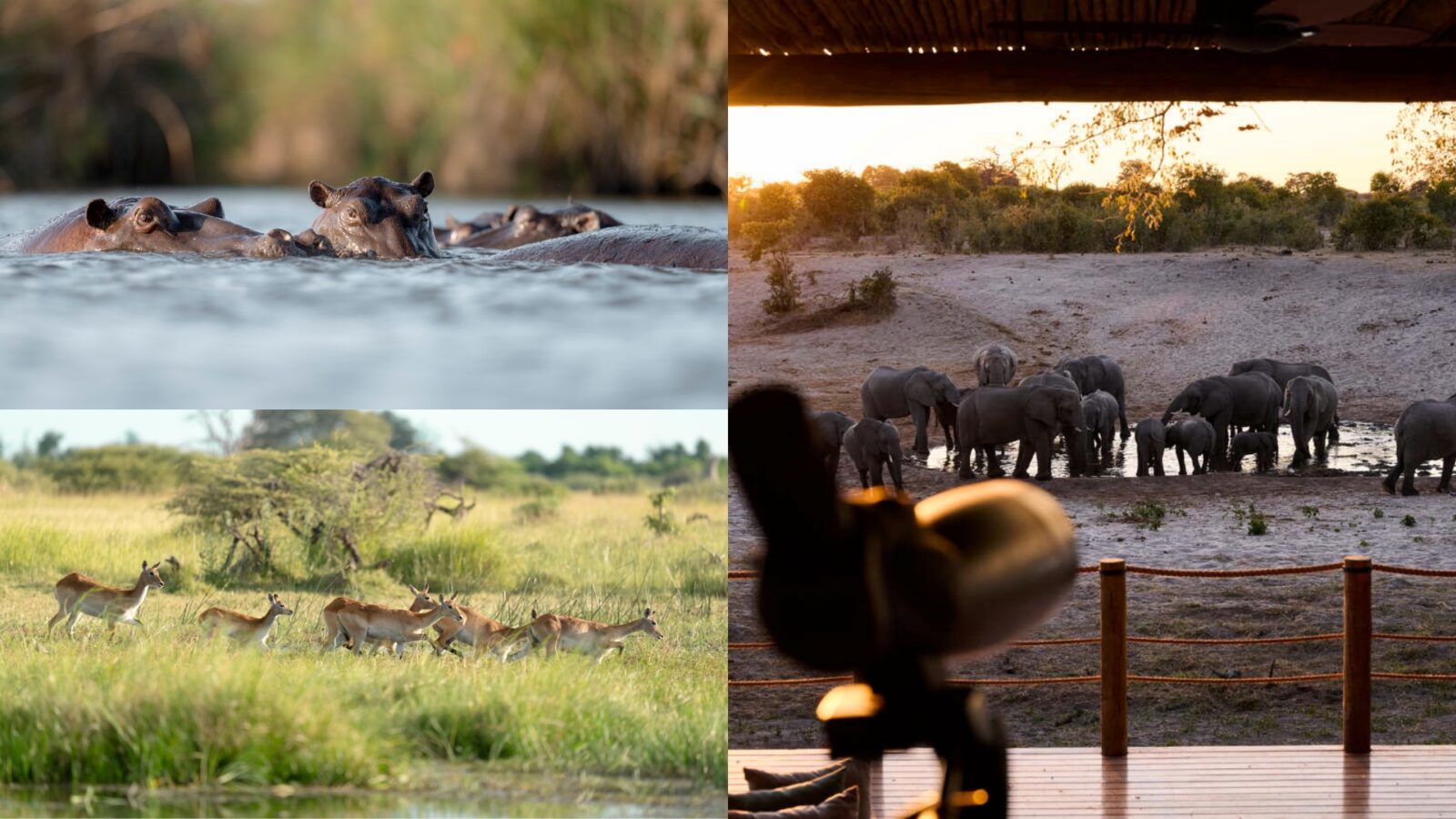
What makes this year particularly extraordinary is not simply the presence of water, but the way it enhances the entire ecosystem. Newly flooded grazing areas are attracting large herds of elephant and buffalo, while species such as red lechwe are thriving in expanded wetland habitat. Birdlife is especially dynamic as breeding intensifies and fish populations increase.
Specialist guide Londani Stayfree King shares that wildlife is not absent; it’s highly adaptive and responsive to these conditions. This remains true for big cats. Predator activity is strong, especially along Delta channel edges, on islands, and at natural crossings where wildlife movement concentrates.
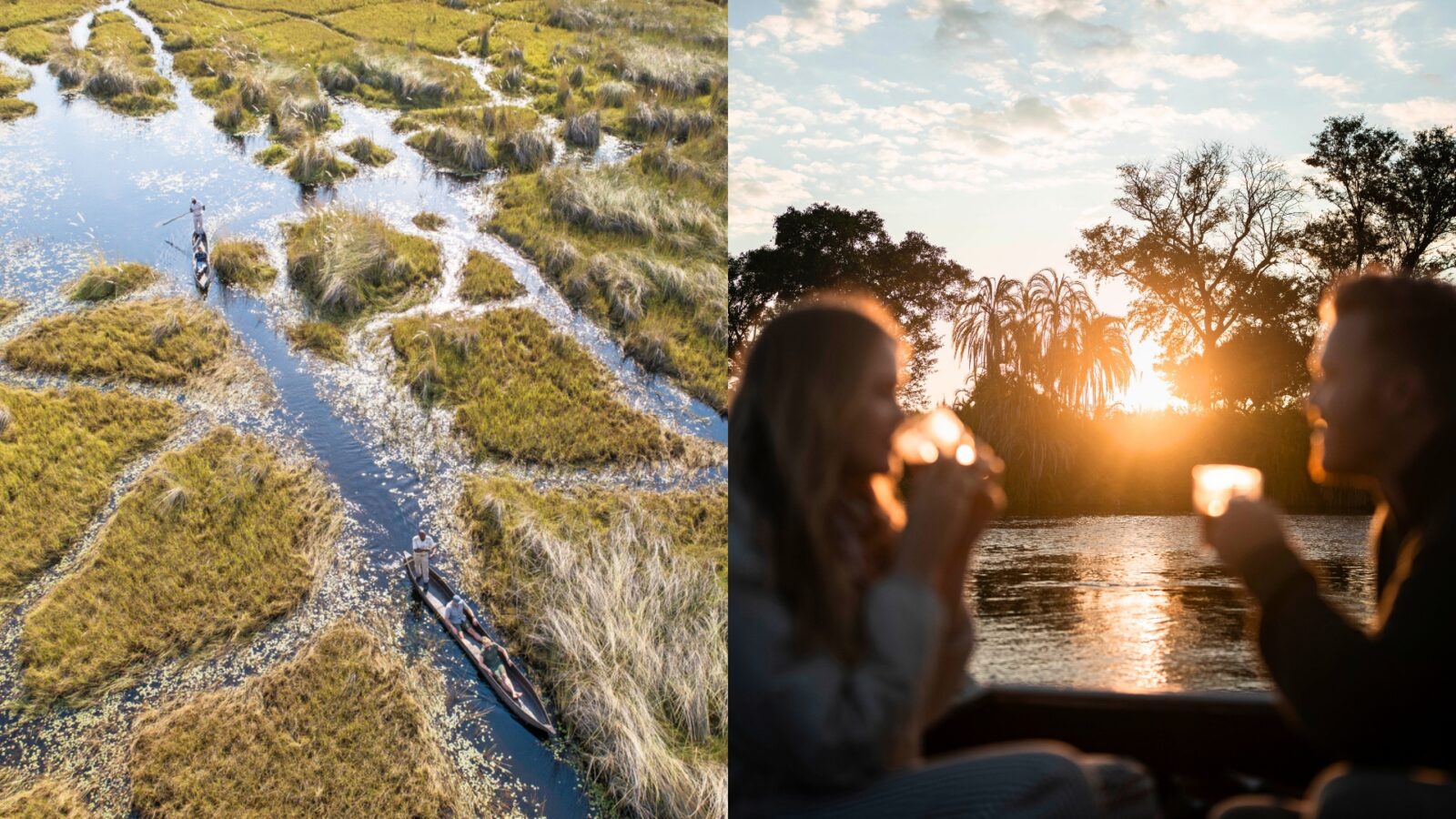
For travellers, this year creates a heightened sense of immersion. Mokoro excursions can follow deeper, more connected routes, boating access extends into lagoons rarely reached in drier years, and wildlife encounters unfold from multiple perspectives—by vehicle, on foot, and from the water. The Delta again proves itself not as a place you visit, but one that you move through.
The Extraordinary
This is Botswana Rising
For those privileged to experience it, the landscape itself becomes part of the story. Floodplains are expanding, channels are reconnecting, and wildlife is moving in response to the rhythms of water and land. This is a season of ecological intensity, of renewal, expansion, and connectivity. This is a time to witness Botswana wide awake, in its fullest expression, and to engage with the wild as it is meant to be seen.
We at Desert & Delta Safaris are well prepared for the season ahead and look forward to welcoming you into our ever-changing, deeply rewarding, and simply incomparable wild places.